Gamificationsummit Gaming: Trends, Insights & Industry Secrets
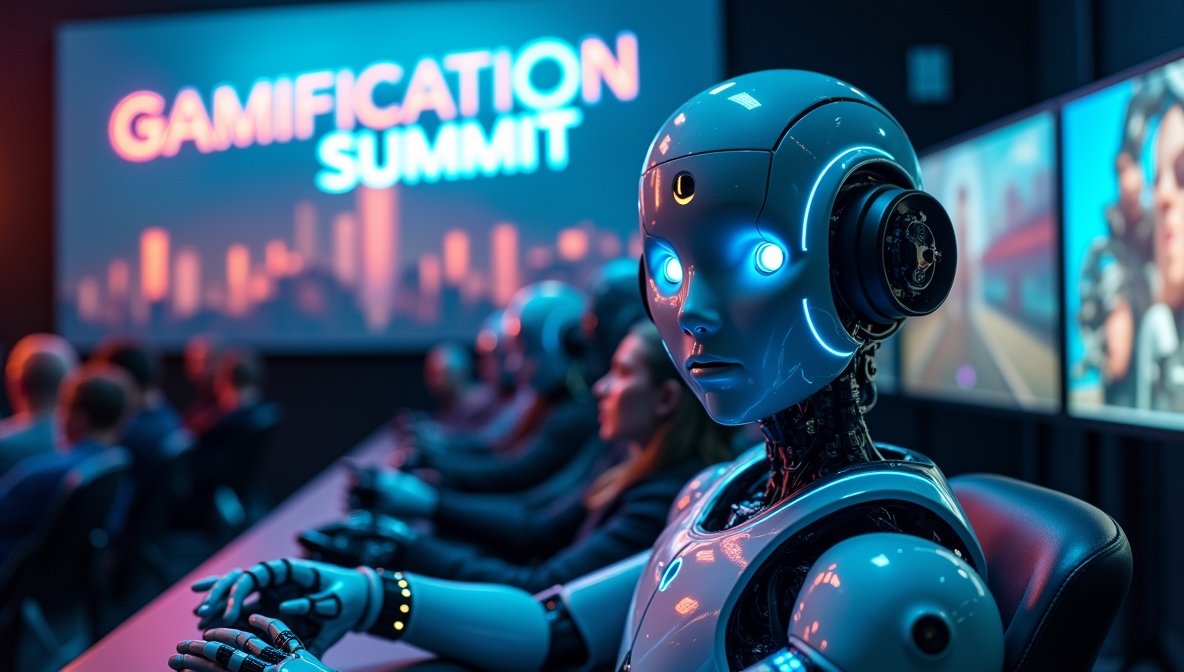
The gaming industry continues to evolve rapidly, and gamification has emerged as a key driver for engagement, user retention, and innovative design. Platforms, companies, and game developers are increasingly integrating game mechanics into applications and services to enhance user experiences. The gamificationsummit gaming event is one of the leading conferences where industry leaders share insights, emerging trends, and success stories on how gamification transforms gaming and digital interactions.
This article provides an in-depth exploration of the latest strategies, trends, and techniques discussed at GamificationSummit Gaming. We will examine gamification principles, case studies, design techniques, business applications, player engagement strategies, and future directions. Whether you are a developer, marketer, or gaming enthusiast, understanding these insights will help you leverage gamification effectively for maximum impact.
Understanding Gamification in Gaming
Gamification involves applying game design gamificationsummit professionals eager elements in non-game contexts to motivate and engage users. Its influence has expanded from apps and e-learning to full-scale gaming ecosystems.
Core Principles of Gamification
Gamification relies on core elements such as points, badges, leaderboards, challenges, and progression systems. These mechanics encourage engagement, competition, and reward-driven behavior, enhancing the overall user experience.
Why Gamification Works
Human psychology drives the success of gamification. Reward systems, feedback loops, and social comparisons trigger motivation, making users return to platforms regularly. Events like gamificationsummit gaming highlight real-world applications and success stories that validate these principles.
Trends Highlighted at GamificationSummit Gaming
The summit showcases emerging trends that are shaping the future of gamified experiences in the gaming industry.
Personalized Gaming Experiences
Adaptive challenges and tailored rewards improve engagement. Personalized progression systems cater to individual player styles, increasing satisfaction and retention.
Integration with Social Platforms
Gamified elements integrated with social sharing create viral loops. Players not only enjoy the content but also influence others to join, amplifying reach and community engagement.
Cross-Platform Gamification
Games and apps increasingly use cross-platform mechanics, allowing seamless experiences across mobile, PC, and console. The gamificationsummit gaming conference emphasized case studies demonstrating effective cross-platform engagement.
Designing Effective Gamified Systems
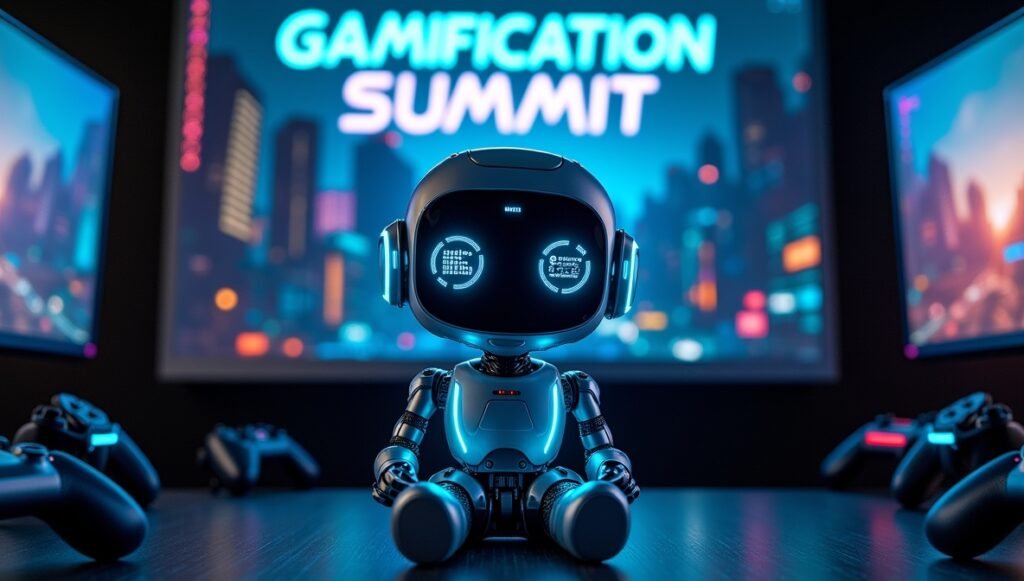
Designing gamification for games requires balancing fun, challenge, and motivation. Poorly implemented mechanics can frustrate players rather than engage them.
Balancing Difficulty and Reward
Optimal challenge levels keep users motivated. Overly difficult systems discourage players, while too-easy mechanics reduce the perceived value of rewards.
Creating Meaningful Progression
Progression systems must be visible, meaningful, and rewarding. Players should feel their efforts contribute to tangible achievements, reinforcing the desire to continue playing.
Incorporating Feedback Loops
Immediate feedback encourages continued engagement. Points, badges, or visual effects signal achievement, reinforcing player behavior and increasing retention. Events like gamificationsummit gaming highlight innovative feedback systems used by leading developers.
Business Applications of Gamification
Gamification is not limited to entertainment. Businesses leverage game mechanics to enhance engagement, training, marketing, and loyalty programs.
Employee Training and Onboarding
Gamified training modules motivate employees to complete learning objectives. Interactive scenarios, challenges, and rewards enhance knowledge retention.
Customer Loyalty Programs
Points, badges, and tiered rewards improve customer retention. Brands integrate gamified campaigns inspired by gamificationsummit gaming strategies to drive engagement and repeat purchases.
Marketing Campaigns
Gamification in marketing increases brand visibility and engagement. Interactive quizzes, spin-the-wheel promotions, and gamified contests attract and retain customers effectively.
Engagement and Retention Strategies
Retaining users is a key challenge in gaming, and gamification provides powerful tools to maintain long-term engagement.
Social Competition and Collaboration
Leaderboards, team challenges, and collaborative quests encourage interaction and sustained engagement. Players are motivated by social comparison and community involvement.
Reward Schedules and Milestones
Variable reward systems create anticipation and excitement. Scheduled rewards, milestones, and rare achievements maximize retention and satisfaction.
Monitoring Player Behavior
Data analytics helps identify patterns and optimize gamified systems. Insights from gamificationsummit gaming indicate that behavior-based rewards are more effective in driving continued engagement.
Case Studies from GamificationSummit Gaming
Examining real-world examples provides practical insights into successful gamification implementations.
Mobile Game Success Stories
Several mobile games showcased at the summit successfully integrated badges, daily challenges, and progression systems to enhance user retention.
EdTech Platforms
Gamification is used to improve learning outcomes. Platforms applying principles discussed at gamificationsummit gaming increased completion rates and student engagement significantly.
Corporate Wellness Programs
Gamified corporate wellness initiatives motivate employees to engage in health activities, track progress, and participate in competitions, driving overall well-being.
Future Directions in Gamification
Gamification continues to evolve, with innovations emerging in AR, VR, AI, and blockchain applications.
Augmented and Virtual Reality
Immersive gamification experiences allow users to interact with digital environments, enhancing engagement and retention.
AI-Driven Personalization
Machine learning algorithms adapt challenges, rewards, and content dynamically, providing tailored experiences to individual users.
Blockchain and NFT Integration
Gamified ecosystems increasingly incorporate blockchain to provide verifiable rewards, rare collectibles, and new monetization models, as highlighted at gamificationsummit gaming.
Common Mistakes in Gamification

Even experienced developers can make mistakes that reduce the effectiveness of gamified systems.
Overcomplicating Mechanics
Complex systems can confuse users. Simplicity and clarity are key to effective gamification.
Ignoring User Feedback
Failure to incorporate feedback leads to disengagement. Successful gamified platforms continuously refine mechanics based on player input.
Misaligned Rewards
Rewards must be meaningful to the audience. Irrelevant or trivial incentives fail to motivate engagement.
FAQs
What is gamification in gaming?
Gamification involves using game mechanics like points, badges, and challenges to engage and motivate players in non-game or game-based contexts.
How can I apply gamification to my project?
Start by identifying desired behaviors, designing reward systems, creating feedback loops, and testing engagement metrics.
What trends were highlighted at GamificationSummit Gaming?
Personalization, cross-platform integration, social engagement, and AR/VR innovations were key trends shared at the summit.
Can businesses use gamification effectively?
Yes, gamification boosts customer engagement, employee training, marketing campaigns, and loyalty programs.
How do I avoid common mistakes in gamification design?
Keep mechanics simple, align rewards with user interests, and continuously gather feedback to optimize engagement.
Conclusion
Gamification is transforming the gaming and business landscape, providing tools to increase engagement, retention, and satisfaction. Events like gamificationsummit gaming showcase cutting-edge trends, strategies, and success stories that inspire developers, marketers, and businesses. By understanding core principles, implementing thoughtful design, leveraging analytics, and staying updated with industry innovations, users can maximize the impact of gamification.
From mobile games to corporate programs, gamification continues to deliver measurable benefits when executed correctly. Engaging systems, meaningful rewards, and personalized experiences are at the heart of this transformation, ensuring long-term success and innovation in gaming and beyond.